Winter in Antalya and How to Check Apartment Comfort
Winter in Antalya can feel mild outdoors while an apartment remains cold or damp indoors. For international buyers and renters, comfort depends on more than the forecast. Heating equipment, insulation, window seals, daylight and ventilation all deserve attention before making a decision. This guide explains what to inspect, what to ask and how to compare homes using evidence rather than assumptions.
RIVI HOME Editorial Team Published 9 min read
In this guide
What winter in Antalya means for an apartment
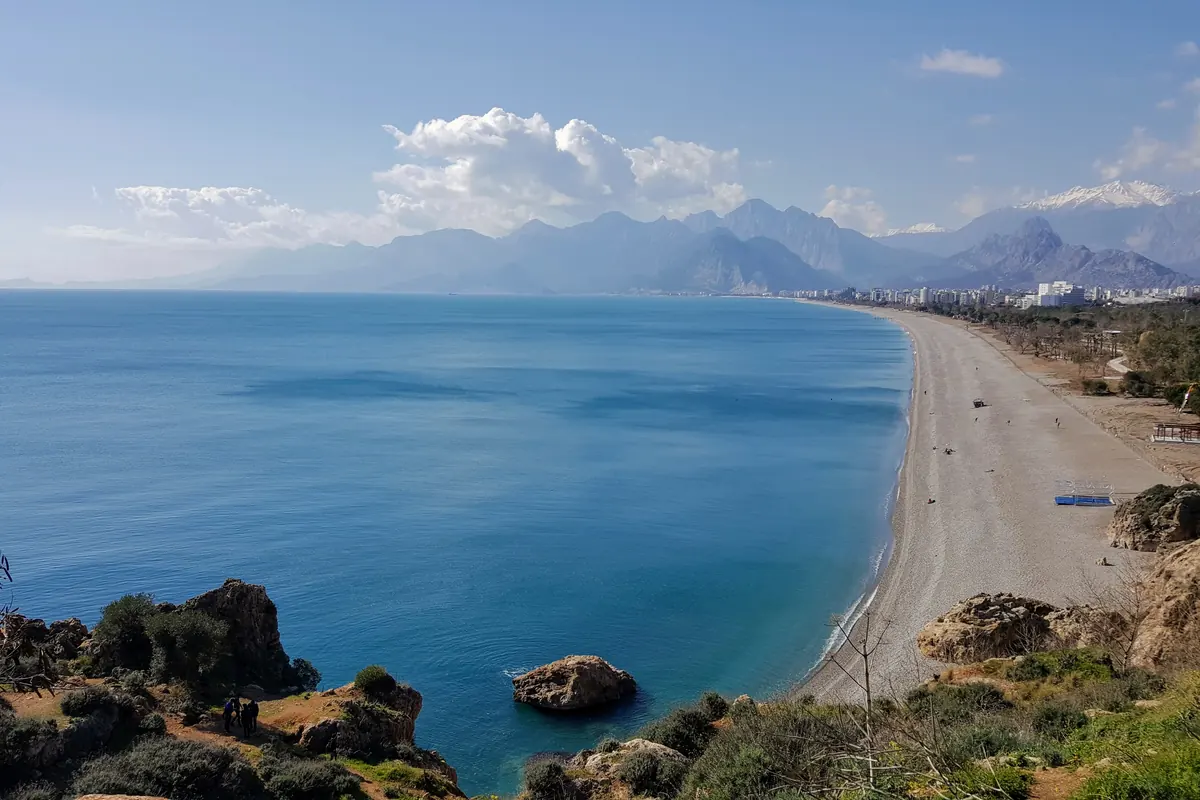
Antalya has a Mediterranean coastal climate, but its relatively mild winter temperatures should not be mistaken for a guarantee of comfortable housing. The Turkish State Meteorological Service publishes long-term measurements for Antalya covering 1930–2025. These describe outdoor conditions at the reporting station, not temperatures inside apartments or conditions throughout Antalya Province.
| Month | Mean temperature °C | Average maximum °C | Average minimum °C | Mean monthly rainfall mm |
|---|---|---|---|---|
| December | 11.7 | 16.7 | 7.7 | 250.9 |
| January | 10.1 | 15.0 | 6.1 | 225.5 |
| February | 10.7 | 15.6 | 6.4 | 148.1 |
The Turkish State Meteorological Service reports these historical monthly averages for Antalya using observations from 1930–2025. The figures describe Antalya winter weather at the reporting station, not a forecast or the temperature inside a particular apartment. Conditions can vary by location, building and year.
The rainfall figures are particularly relevant when assessing an apartment. They show that substantial winter precipitation is part of the city’s historical climate. They do not tell you whether a specific roof, balcony, window or exterior wall is watertight. Likewise, an outdoor monthly mean of around 10°C does not reveal how warm a bedroom remains overnight.
Check heating in Antalya apartments before deciding
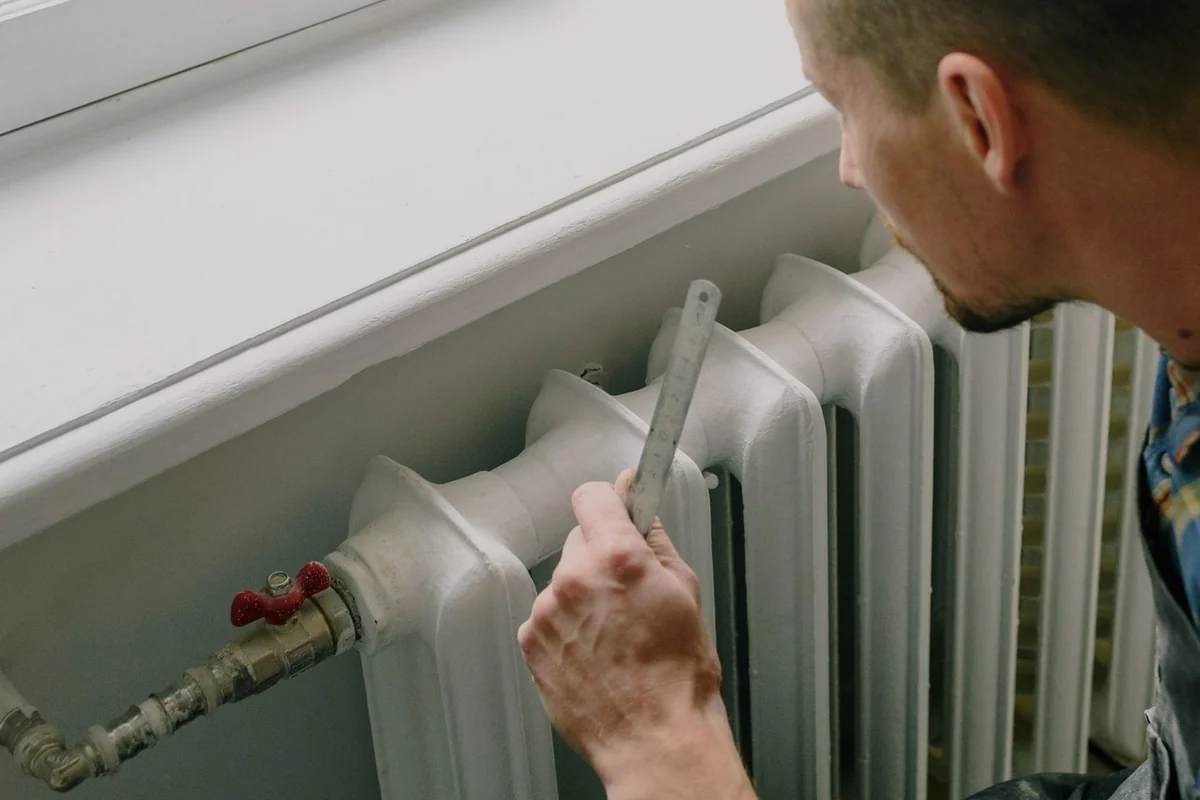
Heating in Antalya apartments deserves a separate inspection rather than a quick glance at an air-conditioning unit. Different homes may use reversible air conditioners, a gas boiler with radiators, electric heaters or another installed system. The equipment present in a listing does not establish its condition, efficiency or ability to heat every room.
Begin by identifying the actual heating source. Check whether the apartment uses air-conditioning units, radiators or another installed system, and ask which rooms each unit serves. For winter in Antalya, request a demonstration of the heating controls and confirm what equipment is included. Do not operate unfamiliar gas or electrical equipment yourself; have its condition assessed by a qualified professional where necessary.
- Identify which rooms have fixed heating equipment and which depend on heat travelling from another room.
- Ask for the equipment type, approximate installation age and available maintenance records.
- Have the heating demonstrated using ordinary controls without opening equipment covers or altering internal settings.
- Check whether warm air or radiator heat reaches the rooms intended for sleeping and working.
- Look for obvious damage, unusual operating noises, displayed fault messages or evidence of neglected maintenance.
- Ask whether the system can be used normally during the entire tenancy or ownership period.
A brief demonstration confirms only that equipment responds during the viewing. It cannot establish long-term reliability, electrical safety or actual seasonal consumption. A qualified technician should assess suspected faults, gas appliances or any equipment that cannot be demonstrated safely. Do not attempt internal repairs or tests yourself.
Understand condensation and possible water leaks
Moisture is one of the most important winter comfort questions. Condensation occurs when moisture in indoor air settles on sufficiently cold surfaces. It may appear on window glass, frames or cold wall corners, especially when ventilation is limited. Condensation alone does not prove that a building has a leak.
Water entering through the building envelope can produce some similar visible symptoms. Persistent stains, peeling paint, softened plaster or damp patches around external walls may require investigation. Their location, timing and response to rainfall matter more than a quick visual diagnosis. A recently repainted wall can also make the history of a problem difficult to assess.
- Inspect window corners, ceiling junctions, external-facing walls and the areas behind accessible furniture.
- Look for staining that extends beyond ordinary window condensation or appears after rainfall.
- Ask whether previous moisture problems were investigated and whether repair records are available.
- Notice persistent musty odours, visible mould, damaged plaster or recurring wet patches.
- Check whether bathrooms and kitchens have usable ventilation and whether windows can open normally.
A single damp patch cannot identify its own cause. Repeated wetting after rain, spreading stains, visibly damaged materials or persistent mould merit assessment by a suitable building or moisture specialist. Electrical fittings near water damage require particular caution. The aim is to obtain a reliable explanation and evidence of any repair before treating the issue as resolved.
Evaluate daylight and window exposure
Visit during daylight and note which rooms receive direct sun, how long it lasts and whether nearby buildings block the light. In winter in Antalya, a bright living room and a shaded bedroom may feel very different. Check window seals, glazing and signs of condensation, remembering that one viewing cannot establish how the apartment performs throughout the season.
Ask which direction the main windows face and visit at a time when you expect to use the apartment. Check the living room and bedrooms separately. A south-facing window may receive useful winter sunlight, but orientation alone cannot establish actual exposure when another building blocks the view. North-facing rooms may rely more on indirect daylight.
Window condition matters as much as direction. Examine seals, frames and glazing for visible gaps, water marks or persistent condensation. With permission, check that windows close properly. Consider whether curtains, shutters and balcony doors allow the rooms to retain warmth after sunset. An attractive view is valuable, but it does not replace a comfortable indoor environment.
Make a rainy-day viewing part of your decision
An Antalya apartment winter checklist is most informative when it includes a visit during or shortly after rain. A dry-weather viewing can show the layout, light and equipment, but it may miss water entry that becomes visible only when exposed surfaces are wet. If a rainy-day appointment is impossible, ask for a follow-up inspection and dated evidence of any reported problem.
- Examine accessible balcony and terrace areas for standing water and obvious drainage concerns without approaching unsafe edges.
- Look around window frames, balcony doors and ceilings for fresh moisture or discolouration.
- Check accessible entrance areas and shared corridors for signs of water entering the building.
- Notice whether rooms feel unusually cold or humid and whether the heating can operate normally.
- Ask whether roof, facade or drainage repairs have been necessary and request available documentation.
Do not treat one successful rainy-day viewing as proof that a property is leak-free. Water penetration can depend on wind direction, rainfall intensity and the duration of a storm. For a purchase, unresolved concerns should be examined by an appropriate independent specialist before commitment. For a rental, obtain a clear explanation of outstanding repairs and their expected completion.
Ask for a genuine winter utility bill
Ask for a genuine utility bill from an occupied winter month, with personal details removed. It can help assess winter in Antalya for that particular household, but consumption depends on occupancy, heating habits, equipment and billing arrangements. Confirm which utilities the bill covers and avoid treating a single invoice as a reliable estimate for your own costs.
Check the billing dates, consumption units and whether the meter serves the apartment alone. Ask how many people lived there, which rooms were heated and whether hot water, cooking or cooling equipment shared the same energy supply. If the owner agrees, compare bills from more than one winter month. Personal account information can be concealed.
The amount paid is not a reliable prediction of your own bill. Different occupancy patterns, thermostat settings, equipment condition and tariffs affect the result. Compare consumption and circumstances before interpreting the total. For a broader household planning framework, see our Cost of living in Antalya guide. This article focuses specifically on evidence of winter comfort rather than a complete monthly budget.
Compare evidence before choosing a home
Compare homes using the same observations rather than relying on impressions from different viewing days. For winter in Antalya, record the heating system, room coverage, window condition, daylight, ventilation, visible moisture and any supporting bills or maintenance records. Separate what you personally observed from what the owner or agent reported, and arrange professional checks where a concern cannot be resolved during the viewing.
If you are considering apartments for sale in Antalya, these practical checks can help you compare homes beyond photographs and floor plans. The goal is not to find an apartment with no possible maintenance needs. It is to understand its present condition, the evidence available and which uncertainties should be resolved before making a decision.
Frequently asked questions
Is Antalya warm enough to live without heating?
Outdoor winter averages cannot answer that question for an individual apartment. Indoor comfort depends on insulation, exposure, ventilation, heating equipment and personal preferences. Check the actual home rather than relying on the city’s climate.
Does condensation on windows mean there is a leak?
Not necessarily. Condensation can form when humid indoor air meets cold glass or frames. Persistent staining, recurring wet patches or moisture linked to rainfall may indicate a different problem and warrant specialist assessment.
Can an air conditioner heat an entire apartment?
Some reversible air-conditioning systems provide heating, but their effectiveness depends on equipment capacity, condition and room layout. Ask for a demonstration and check the rooms separately.
Should I view an Antalya apartment during rain?
A viewing during or after rainfall can reveal moisture and drainage concerns that are less apparent in dry weather. It is useful additional evidence, although it cannot guarantee that a property has no leaks.
Which winter utility bill should I request?
Ask for a bill from an occupied winter month when heating was used normally. Check consumption, dates, energy source and household circumstances. One bill cannot predict your own usage.
Need help comparing apartments for winter comfort?
RIVI HOME can help you arrange viewings in Antalya and ask property owners for available heating information, maintenance records and winter utility evidence. If the home will need attention while you are away, property management in Antalya covers options for agreed inspections and maintenance coordination.
Tell us which apartments you are considering and which comfort concerns matter to you. Technical defects and unresolved moisture problems should be assessed by qualified specialists before you make a commitment.